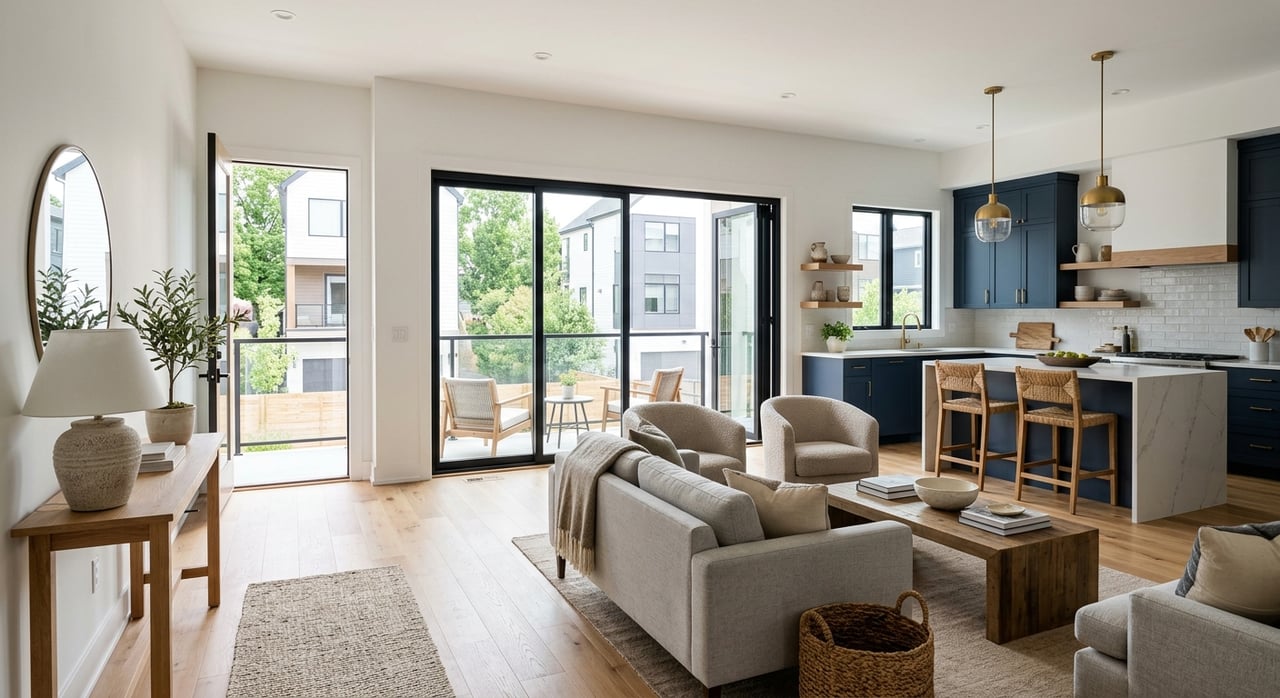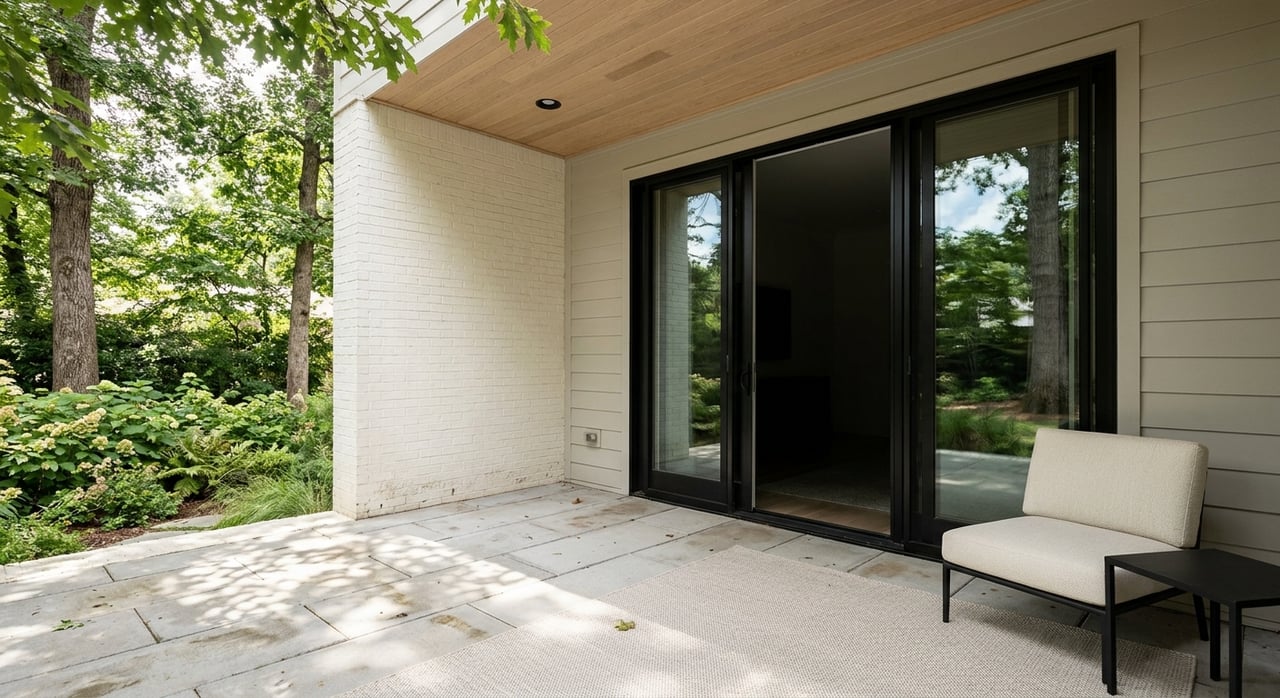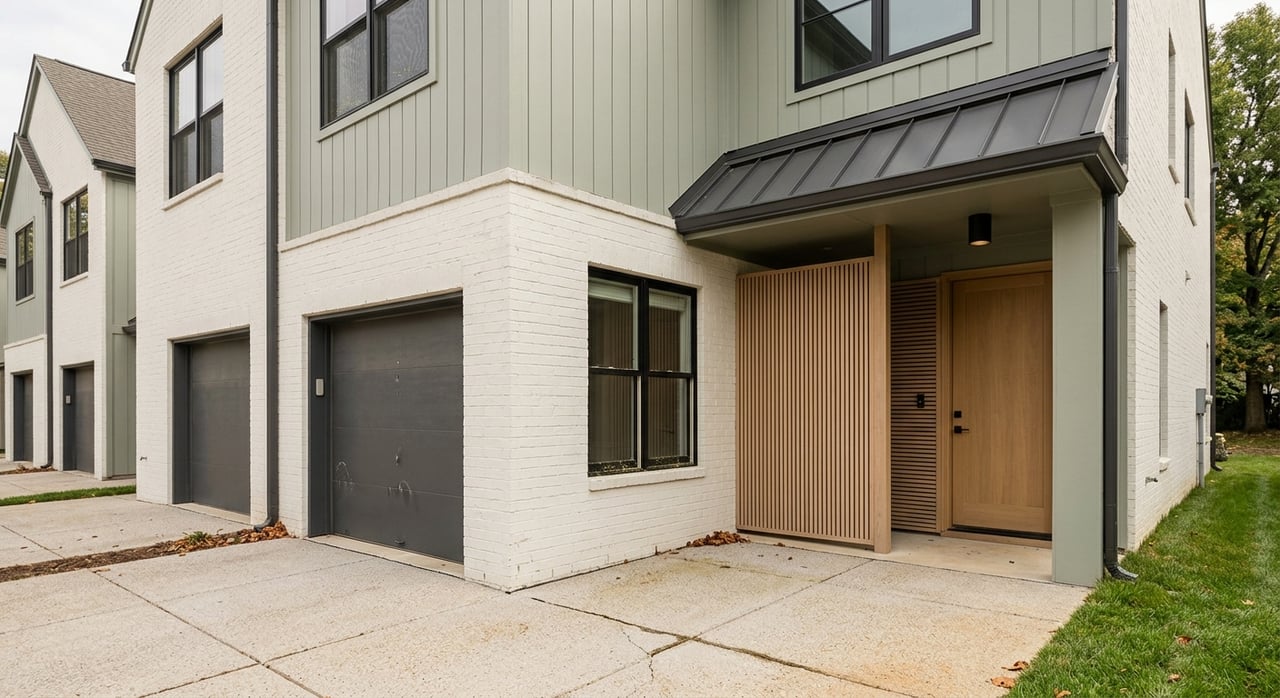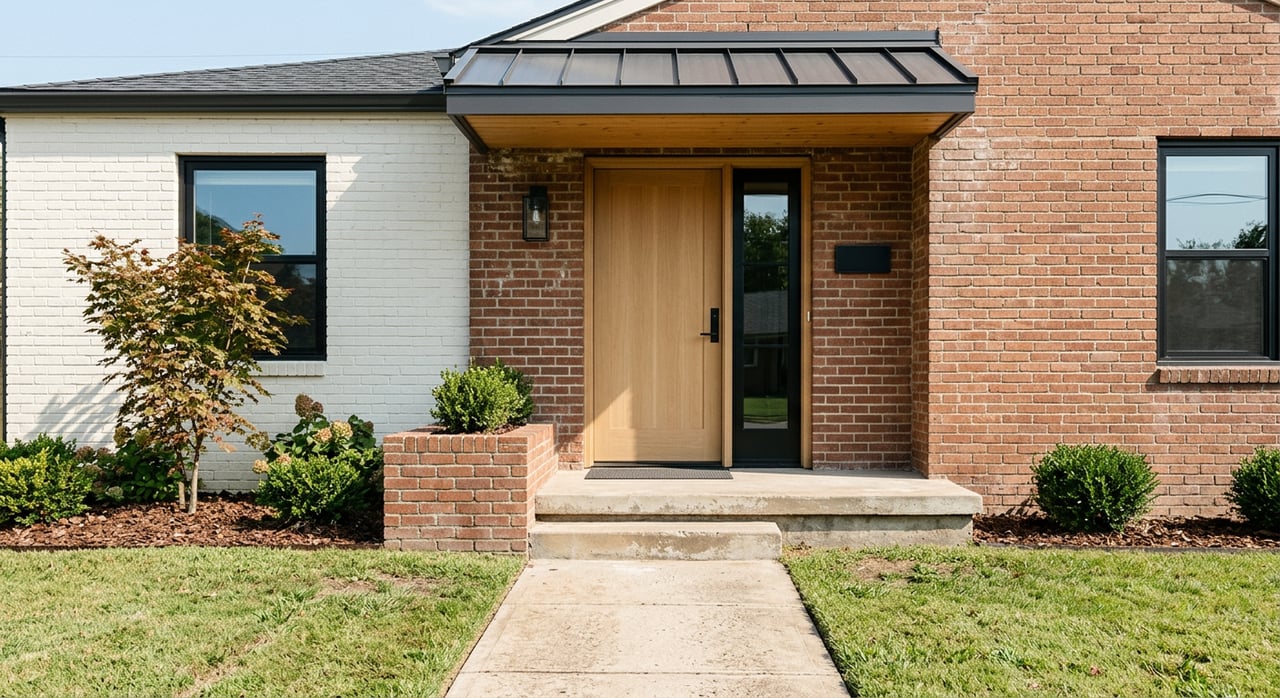
Trying to choose between a condo, loft, or townhome for your intown life can feel like comparing apples to oranges. You want the right mix of style, space, convenience, and cost without surprises after you move in. In this guide, you’ll get a clear, local look at how each option actually lives in Intown South, from walkability and transit to HOA dues, parking, and noise. By the end, you’ll know which home type matches your day-to-day and where to start your search with confidence. Let’s dive in.
What “Intown South” means here
For planning and neighborhood context, the City of Atlanta organizes neighborhoods within Neighborhood Planning Units. Many areas grouped as “Intown South” sit within NPUs T, V, W, and O, which include places like West End, Castleberry Hill, Westview, Adair Park, Capitol Gateway, Mechanicsville, Peoplestown, Pittsburgh, Summerhill, Grant Park, Oakland, Ormewood Park, East Lake, and Edgewood. You can confirm neighborhoods and boundaries using the city’s official neighborhoods by NPU list.
Condo vs. loft vs. townhome at a glance
Baseline definitions
- Condos: You own your unit and share ownership of common areas through a condo association. Rules, budgets, and amenities vary by building. See the NAR overview on condominiums for fundamentals.
- Lofts: Often converted industrial spaces with open layouts, tall ceilings, and fewer interior walls. Parking can be limited or unassigned in some conversions.
- Townhomes: Vertically oriented attached homes with multiple levels. Many have private garages and small outdoor spaces, with an HOA that covers shared elements.
How these homes show up in Intown South
Condos
In Intown South, condos tend to be low- to mid-rise buildings or small complexes, often conversions near commercial corridors or transit. You’ll see this in pockets of Adair Park, Peoplestown, West End, and Castleberry Hill. Unit sizes commonly range from roughly 600 to 1,400 square feet for one- and two-bedroom homes, depending on the building’s age and amenities. HOA dues vary widely based on what is covered, so treat that line item as a lifestyle choice. Larger amenity packages often come with higher monthly fees.
Lofts
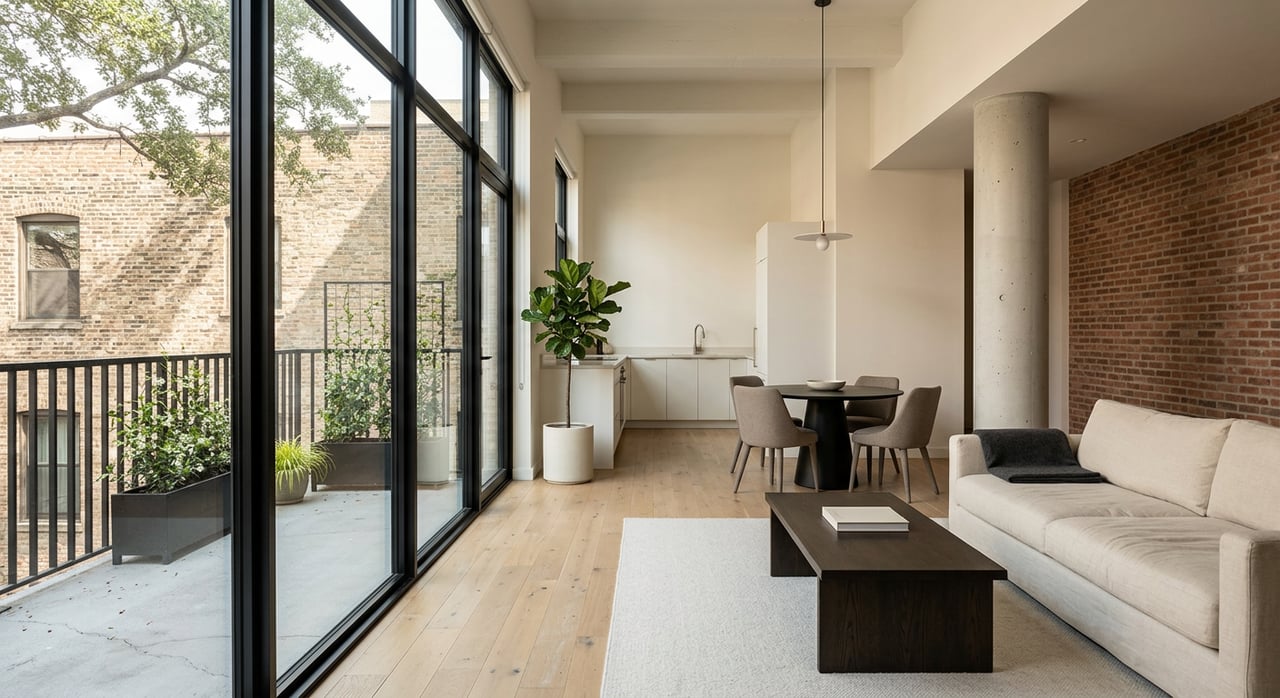
Castleberry Hill is a standout for converted warehouse and live-work lofts that deliver exposed brick, high ceilings, and open floor plans. Typical one-bedroom lofts often fall around 700 to 1,100 square feet. Some buildings include assigned parking, while others rely more on street parking or limited on-site spaces, so confirm details early if car ownership is important to you.
Townhomes
You’ll find new and infill townhomes across Summerhill and Grant Park, with additional options in West End and Adair Park. Many are two to three stories and offer around 1,300 to 1,900 square feet, often with an attached one- or two-car garage and a small patio. If you want a private entry, more storage, and simpler parking, townhomes tend to deliver that combination well.
Walkability, MARTA, and trails
Walkability is block-by-block
Walkability shifts quickly from one street to the next. West End rates high on Walk Score, with a score around 86, which reflects clustered shops and BeltLine access. Nearby Grant Park sits closer to the “somewhat walkable” range, and Summerhill trends similarly. Use neighborhood pages like West End on Walk Score to compare spots you have in mind.
MARTA and the car-light commute
If you want to rely less on a car, proximity to MARTA rail or frequent bus corridors is a big win. West End enjoys closer access to the MARTA rail network via the West End station, while Summerhill and some southern blocks lean more on buses, short rideshares, or a longer walk to a rail stop. Plan your commute using MARTA’s official resources.
The BeltLine factor
The Atlanta BeltLine ties many Intown South neighborhoods together for walking and biking. Westside and Southside segments continue to expand, creating longer, more connected stretches that make everyday errands and leisure easier without the car. Track updates and access points on the BeltLine Westside Trail page.
Groceries, errands, and green space
Everyday convenience is improving quickly in several pockets. A new grocery option arrived when Publix opened in Summerhill in June 2023, which also supports nearby neighborhoods. Grant Park remains one of the area’s largest green spaces and is home to Zoo Atlanta, with plenty of room for runs, picnics, and weekend downtime.
Parking and permits
Where you park, and what to check
- Condos: Many buildings include assigned garage or lot spaces, sometimes with guest policies or fees. Ask about the number of spaces, whether they are deeded or assigned, and what the guest rules look like.
- Townhomes: Attached garages or dedicated pads are common, which simplifies daily parking and storage.
- Lofts: Some conversions offer assigned spaces, but others depend on limited lots or nearby street parking. Confirm availability and whether the space conveys with the unit.
On-street permits and city rules
The City of Atlanta manages a Residential Permit Parking program in specific districts. Permits, where available, are administered through ATLDOT’s portal, and neighborhoods opt into the program. For details on eligibility, fees, and how permits work, review ATLDOT’s parking services page.
Noise and privacy
Urban living comes with varied sound levels that change throughout the day. Atlanta’s municipal code includes time-based limits for certain activities and sets enforcement standards for loud noise near residences. If quiet is a priority, review practical city rules summarized in the noise ordinance overview and tour homes at different times to get a true feel.
- Condos: You share walls and corridors, and mechanical rooms or elevators can add ambient sound. Ask about building construction and any sound mitigation in place.
- Townhomes: You typically share one or two party walls, but you have a private entry and fewer shared indoor spaces.
- Lofts: Open plans and older windows can let in more street noise. Check window quality and placement, especially on busy corridors.
Costs, HOAs, and resale
Monthly HOA or condo dues vary with the age of the building and the scope of amenities. National data shows a wide range, and higher-amenity condo buildings commonly carry higher dues than small townhome communities. If you want a pool, gym, or concierge, budget accordingly and review what the fees cover. See a national snapshot of HOA trends in this HOA statistics summary.
For condos, take a close look at association financials, reserve studies, and any history of special assessments, since that affects financing and total cost of ownership. Townhomes and single-family homes can show different appreciation dynamics because of land ownership, though short-term price moves still depend on the neighborhood market. As of 2025, Metro Atlanta has shifted toward a more balanced market, with rising inventory and longer days on market compared with peak seller conditions. For context, review this Georgia market update and use a live MLS snapshot for current pricing.
A quick touring checklist
Bring this list to every condo, loft, or townhome showing:
- Parking: Number of assigned spaces, where they are, guest policy, and whether spaces are deeded or assigned.
- HOA basics: Monthly dues, what they cover, reserve level, recent or upcoming special assessments, and insurance details.
- Building rules: Pet policy, rental or short-term rental rules, move-in and move-out procedures, elevator booking fees where applicable, and quiet hours.
- Noise and privacy: Window quality, party-wall construction, proximity to elevators, stairwells, or mechanicals.
- Storage and outdoor space: Garage storage, closets, patio or balcony size, and bike storage.
- Commute and errands: Walking distance to a MARTA rail or frequent bus stop, BeltLine access, and your nearest grocery or pharmacy.
For a primer on condo ownership and association considerations, the NAR overview on condominiums is a helpful reference.
Day-in-the-life matches
- Car-light professional: A condo or loft near West End or a BeltLine connector can put coffee, food, and transit within a quick walk. Check how many errands you can do on foot and confirm rail or frequent bus access.
- Active walker or biker: A townhome near Grant Park or close to Southside and Westside trailheads offers indoor-outdoor balance, with a small patio and easy trail access.
- Private entry and guaranteed parking: A townhome with a one- or two-car garage in Summerhill, Grant Park, or Adair Park simplifies daily life if you own cars or need storage.
- Industrial style and flexible layout: A Castleberry Hill loft delivers character and open space. Verify HOA health, parking arrangements, and window quality before you commit.
Ready to choose your fit?
Whether you want the simplicity of a condo, the character of a loft, or the space and parking of a townhome, the best choice comes from walking the blocks and comparing how each option feels day to day. If you would like a calm, design-informed partner to help you weigh the tradeoffs and tour the right homes, reach out to Katherine Duquette for local guidance.
FAQs
What is considered Intown South Atlanta?
- The planning shorthand often includes neighborhoods within NPUs T, V, W, and O, such as West End, Castleberry Hill, Summerhill, Grant Park, and others listed on the city’s neighborhoods by NPU page.
How do HOA dues compare for condos vs. townhomes in Intown South?
- Dues vary widely by building and amenities, but condo buildings with larger amenity packages often have higher monthly fees than smaller townhome communities. See national patterns in this HOA statistics summary.
Is MARTA rail convenient for West End and nearby neighborhoods?
- Yes, West End has a MARTA rail station that connects to the broader network, while other nearby neighborhoods rely more on buses or a longer walk to rail. Plan routes at MARTA’s official site.
How do Atlanta’s parking permits work for intown neighborhoods?
- Some streets operate under the Residential Permit Parking program, managed by ATLDOT, with permits available by district. Check eligibility and fees on ATLDOT’s parking services page.
Are Castleberry Hill lofts noisy compared with condos or townhomes?
- Noise varies by building and block. Lofts can have older windows and more street sound, while condos and townhomes depend on construction quality and location. Review the city’s noise ordinance overview and tour at different times.
How is the 2025 market affecting condos, lofts, and townhomes in Intown South?
- Metro Atlanta has moved toward a more balanced market with higher inventory and longer days on market than peak conditions. For context, see this Georgia market update and consult a live MLS snapshot for current prices.
What does the Atlanta BeltLine change about daily life in Intown South?
- The BeltLine’s Westside and Southside segments improve walk and bike access to retail, dining, and parks. Follow connections and new segments on the BeltLine Westside Trail page.