Choosing between a story-filled historic home and a fresh, low‑maintenance build is one of the most personal decisions you’ll make in Marietta. You might love the porch swings and tree‑lined streets near the Square, but also want modern storage, efficient systems, and fewer surprises after move‑in. In this guide, you’ll compare both paths with clear cost, inspection, and neighborhood context tailored to Marietta. You’ll walk away with a simple framework to choose with confidence. Let’s dive in.
Marietta market at a glance
Marietta sits in the upper‑mid price band of Metro Atlanta. Recent consumer site snapshots place typical home values in the mid‑$400s. Prices vary by ZIP code, lot size, condition, and renovation level. Renovated historic homes near the Square can command premiums similar to newer homes in nearby subdivisions.
If you want exact numbers for a specific neighborhood or ZIP, ask your agent for a fresh local MLS pull before you write an offer.
What you’ll love in historic homes
Where to find them
You’ll see many of Marietta’s historic and character homes near Marietta Square and along Church and Cherokee Streets, Kennesaw Avenue, and Forest Hills. These areas have mature trees, front porches, and a walkable feel with shops, museums, and seasonal events on and around the Square. If a property sits inside a designated historic district, exterior changes often require review by the City’s Historic Preservation Commission.
Styles you’ll see
Marietta’s residential design guidelines highlight Greek Revival, Italianate, and Queen Anne/Folk Victorian homes from the late 1800s. You’ll also find Colonial Revival, Bungalow and Craftsman houses from the early 20th century, and Tudor and other revival styles from the 1920s–1930s. The City’s guide includes helpful visuals on rooflines, porch piers, and window styles that you can use as a field reference. Review the City of Marietta Historic Residential Design Guidelines before you tour.
Layouts and features
Older floor plans often include formal living and dining rooms, compact kitchens on earlier plans, smaller closets, and fewer bathrooms than today’s builds. Craftsman bungalows tend to feature generous front porches, built‑ins, and modest footprints. Many homes have had kitchen expansions and bath additions over the decades, so interior layout can vary widely by property.
Renovation realities
Historic homes can have great bones, larger lots, and prime locations. Inside a designated district, many exterior changes need a Certificate of Appropriateness and must follow the City’s guidelines. Plan for that review step in your budget and timeline. Interior updates like kitchens, baths, and systems often allow more flexibility, but confirm requirements in the City’s guidelines and with the Historic Preservation Commission before you start.
What you get in newer or renovated homes
Modern layouts and efficiency
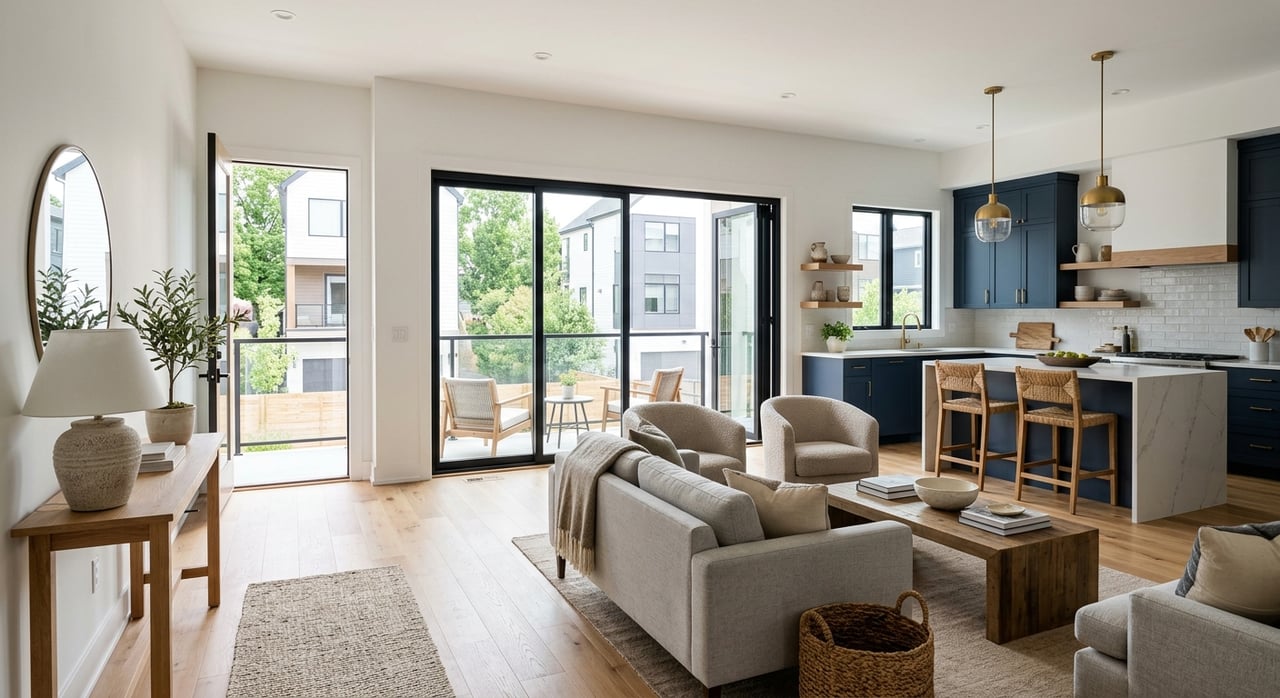
Newer builds and full renovations usually deliver open living areas, larger kitchens, main‑level or expansive primary suites, more bathrooms, and organized storage. Recent buyer surveys also put energy efficiency, flexible work‑from‑home spaces, and outdoor living high on the wish list. See the National Association of Home Builders’ latest findings on what today’s buyers want.
Warranties and lower short‑term risk
New construction often comes with a defined warranty package, commonly 1‑year workmanship coverage, 2‑year systems coverage, and a longer structural warranty when provided through recognized programs. That can reduce your near‑term maintenance risk. Confirm the exact terms and transferability with the builder or warranty provider such as 2‑10 Home Buyers Warranty.
HOAs and community tradeoffs
Many newer subdivisions include HOAs and covenants. You’ll get a consistent neighborhood look and sometimes reduced exterior maintenance. You may have limits on personalization like paint colors, fences, or landscaping. Older intown areas near the Square are more likely to have varied lots and fewer HOAs, which can mean more freedom and more owner responsibility.
Inspections and maintenance: older vs newer
Lead‑based paint in pre‑1978 homes
For homes built before 1978, federal rules require sellers to disclose known lead‑paint information and give you time to inspect. If you are under contract on a pre‑1978 property, consider a lead risk assessment or targeted testing as part of due diligence. Review the HUD/EPA lead‑paint disclosure rules.
Asbestos in older materials
Homes built through the late 1970s may have asbestos in some floor tiles, pipe insulation, or textured finishes. Testing and licensed abatement are the safest path if you plan to disturb suspect materials during renovation. The EPA outlines best practices for debris and demolition; start here for EPA guidance on building materials and debris.
Electrical systems and safety
Older homes can include knob‑and‑tube wiring or cloth‑insulated conductors. Some mid‑1960s to early‑1970s houses used solid aluminum branch wiring, which the CPSC documents as a safety concern. A licensed electrician should verify service capacity, grounding, and any aluminum wiring, and follow recognized repair protocols such as those summarized in Repairing Aluminum Wiring.
Plumbing and service lines
Galvanized water lines, cast‑iron sewer mains, and potential lead service lines are common questions in older homes. Ask about pipe materials and maintenance history. On older properties, a sewer scope can save surprises. Learn more about identifying and addressing lead service lines.
Termites and wood‑destroying organisms
Georgia’s climate supports subterranean termites that can damage framing and subfloors. Order a WDO/termite inspection as a standard contingency and plan on regular inspections after purchase. University extension experts outline prevention and inspection basics for termites in structures.
Foundation, drainage, and local soils
Clay soils, mature trees, and water management all affect foundations. Watch for signs of poor drainage, repeated patching, uneven floors, or stair‑step brick cracks. If you see warning signs, add a structural engineer to your inspection team. The City’s residential guidelines also emphasize grading, gutters, and foundation condition as high‑priority checks; review the design guidelines when evaluating older houses.
Roofs, windows, and HVAC
Whether a home looks pristine or not, confirm the age and service records for the roof, windows, HVAC, and water heater. On new homes, verify warranty coverage and what it includes using programs like 2‑10’s new home warranty. On older homes, expect these items to be common negotiation points after inspection.
Your practical inspection package
- General home inspection
- WDO/termite inspection
- Sewer scope on older plumbing
- Lead test for pre‑1978 homes
- Asbestos testing if suspect materials are present
- Licensed electrician review of panel and wiring
- Plumbing inspection for galvanized or lead service lines
- Structural engineer if foundation or drainage concerns arise
Historic‑district rules in Marietta
COA and exterior approvals
If the property is in a local historic district, many exterior changes require a Certificate of Appropriateness before work begins. The process can include administrative approvals for minor items and formal hearings for major changes. Start with the City’s Historic Preservation Commission to understand what triggers review.
Interiors vs exteriors
Most projects that change curb‑visible features will need review, while many interior updates do not. Always verify the specifics for your address and scope. The City’s residential design guidelines explain treatment standards for typical features like windows, porches, and rooflines.
Potential incentives
Some state and federal preservation incentives exist for certain project types, often for income‑producing properties or certified rehabilitations. Talk with City staff early and coordinate with state preservation professionals. The design guidelines outline how to approach preservation projects.
Cost and budget basics
- Cosmetic updates: paint, light fixtures, refinishing floors, and minor bath refreshes can fit a modest budget. Costs add up as scope grows.
- Systems and structural work: electrical upgrades, HVAC replacement, plumbing repipes, and foundation corrections can range from tens of thousands into the low six figures depending on extent and square footage.
- New construction premiums: you often pay more for modern layouts, efficiency, and warranties, but you shift some near‑term repair risk away from your budget.
Get on‑site contractor estimates before you finalize an offer on a fixer or a complex renovation. Separate cosmetic line items from mechanical and structural work so you can prioritize.
Lifestyle and location factors
Walkability and downtown feel
If you love being close to coffee shops, museums, and seasonal festivals, look near Marietta Square. The compact core features restaurants and destinations like the Marietta Museum of History and the Root House Museum. Browse this local overview of Marietta’s best things to do to get a feel for the area’s vibe.
Schools and boundaries
Marietta City Schools serve addresses inside Marietta city limits. Surrounding areas often fall under Cobb County School District boundaries. If school assignment is important to you, confirm the exact boundary for a given address early in your search.
Decision framework: historic vs newer
Use these yes/no prompts to clarify your priorities:
- Do you prioritize walkable, downtown living and historic character over turnkey systems? If yes, focus on older homes near Marietta Square and designated districts. For lifestyle context, review Marietta’s attractions.
- Do you want lower short‑term maintenance and defined warranty coverage? If yes, target newer construction or recent full renovations and verify coverage with programs like 2‑10.
- Is a specific school assignment a hard requirement? If yes, confirm boundaries during your first property tours.
- Do you want large lots and mature trees, or lower‑maintenance yards with HOA standards? If you want the former, focus on older neighborhoods; for the latter, newer subdivisions may fit.
Red flags to watch for during tours
- Persistent moisture signs in crawlspaces or basements
- Active termite evidence or extensive prior wood repair
- Knob‑and‑tube or aluminum wiring
- Suspect asbestos‑containing materials in older finishes
- Major foundation cracks or noticeable floor slope
For each, bring in the relevant specialist: WDO inspector, licensed electrician, asbestos/lead testing pro, or structural engineer. For termite prevention and inspection basics, see university extension guidance.
Questions to ask the seller and listing agent
- What are the ages and service records for the roof, HVAC, water heater, and windows?
- Were any renovations permitted, and can you share final inspections and scope?
- Is the property inside a designated historic district? If yes, note potential review steps for exterior changes.
- Has a termite bond been in place, and when was the last WDO inspection?
- If the home was built before 1978, request disclosures per the HUD/EPA lead‑paint rule.
Next steps
- Get a general home inspection, WDO inspection, and targeted tests based on age and materials. Add a sewer scope for older plumbing and a structural review if needed.
- If you are planning exterior changes in a designated district, contact the Marietta Historic Preservation Commission early and review the design guidelines to map your timeline.
- For new builds or gut renovations, request the full warranty package and confirm transferability with a provider such as 2‑10.
Ready to weigh your options with a calm, strategic partner who knows Marietta and nearby neighborhoods? Reach out to Katherine Duquette to compare homes, plan inspections, and choose the right fit with confidence.
FAQs
Are historic Marietta homes cheaper than new homes?
- Not necessarily. Prices vary by ZIP, lot size, condition, and upgrades. Renovated historic homes near the Square can sell at premiums similar to newer homes in nearby subdivisions.
What changes need approval in Marietta’s historic districts?
- Most exterior changes in designated districts require a Certificate of Appropriateness; minor repairs may be administratively approved, while major alterations often need a formal hearing. Always check with the City before budgeting exterior work.
What inspections should I order for an older Marietta house?
- Start with a general home inspection and WDO/termite inspection, then add a sewer scope, lead test for pre‑1978, asbestos testing if suspect materials are present, an electrical review for older wiring, and a structural engineer if foundation issues are suspected.
How do HOAs affect newer subdivisions around Marietta?
- HOAs often manage community standards and reduce some exterior maintenance but can limit personalization like colors, fences, and landscaping. Review covenants, fees, and rules before you buy.
What are the top benefits of choosing a newer build?
- You typically get open layouts, energy‑efficient systems, more bathrooms and storage, and defined warranty coverage that reduces early maintenance risk. Confirm exact coverage and terms with the builder or warranty provider.