What makes one Vinings listing feel instantly memorable while another blends into the scroll? In a market where buyers often make their first impression online, presentation can shape how quickly they connect with a home. If you are preparing to sell in Vinings, strategic staging can help your home feel clearer, more polished, and easier for buyers to picture as their own. Let’s dive in.
Why staging matters in Vinings
Vinings is not a one-size-fits-all market. It is an unincorporated Cobb County community with a distinct identity tied to its historic village core, and that sense of place can influence how buyers respond to a home.
The area also includes a mix of property types. According to the Vinings Vision Plan, the residential area is made up mostly of single-family detached homes, with townhomes and condominiums making up a smaller but meaningful share. That means buyers may be comparing different layouts, lifestyles, and price points at the same time.
In a setting like that, staging helps your home communicate quickly. It can highlight scale, define room use, and create a calm first impression that fits Vinings better than generic or overly trendy styling.
There is also strong evidence that staging affects buyer behavior. The National Association of Realtors' 2025 Profile of Home Staging found that 83% of buyers' agents said staging made it easier for buyers to envision a property as a future home. The same report found that 31% said buyers were more willing to walk through a home they saw online when it was staged.
What buyers notice first
Staging works best when it focuses on the spaces buyers care about most. In NAR's 2025 report, the rooms most often staged were the living room, primary bedroom, dining room, and kitchen.
That lines up well with how many buyers shop in Vinings. They want to understand the daily flow of the home, how main living areas connect, and whether the space feels polished without feeling overdone.
For most sellers, that means your effort should start where buyers form the fastest opinions:
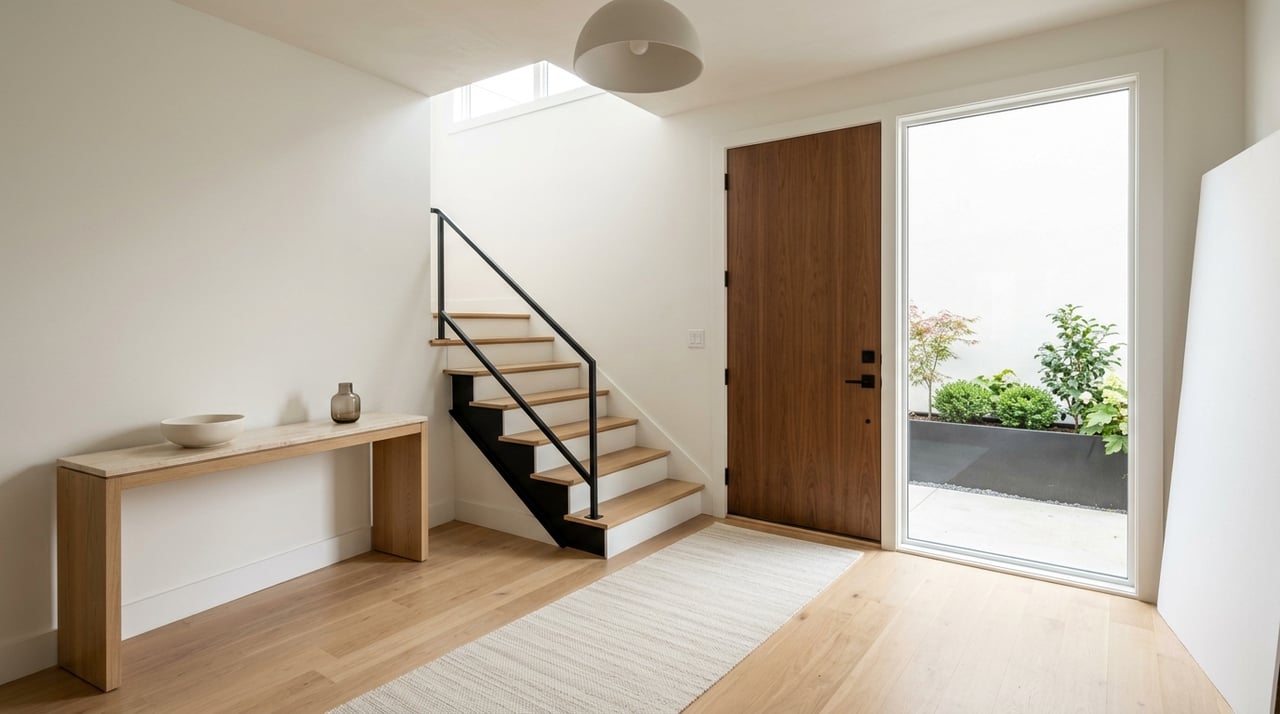
- Entry and first sightlines
- Living room
- Kitchen
- Dining area
- Primary bedroom
- Outdoor connection, if the home has one
When these areas feel clean, balanced, and easy to read, the whole home tends to feel more valuable.
Strategic staging is not just decorating
A lot of sellers hear the word staging and think of buying new furniture or creating a magazine look. In reality, staging is more practical than that.
NAR defines staging as cleaning, decluttering, repairing, depersonalizing, and updating a home. Furniture and accessories are part of the process, but they are not the whole story.
That is good news if you want results without unnecessary stress. The goal is not to erase every trace of life. The goal is to remove distractions so buyers can focus on the home itself.
How staging helps online and in person
Before a buyer books a showing, your listing usually has to win attention on a screen. Photos matter, and staged homes often photograph better because rooms feel more defined and proportional.
NAR reported that buyers' agents rated photos as the most important listing element, followed by physical staging, videos, and virtual tours. If your home looks bright, organized, and thoughtfully furnished in photos, buyers may be more likely to click, save, and schedule a visit.
That stronger first impression can carry into showings too. In the same report, 49% of agents said staging reduced time on market, and 29% said it led to a 1% to 10% increase in the dollar value offered.
Staging for Vinings single-family homes
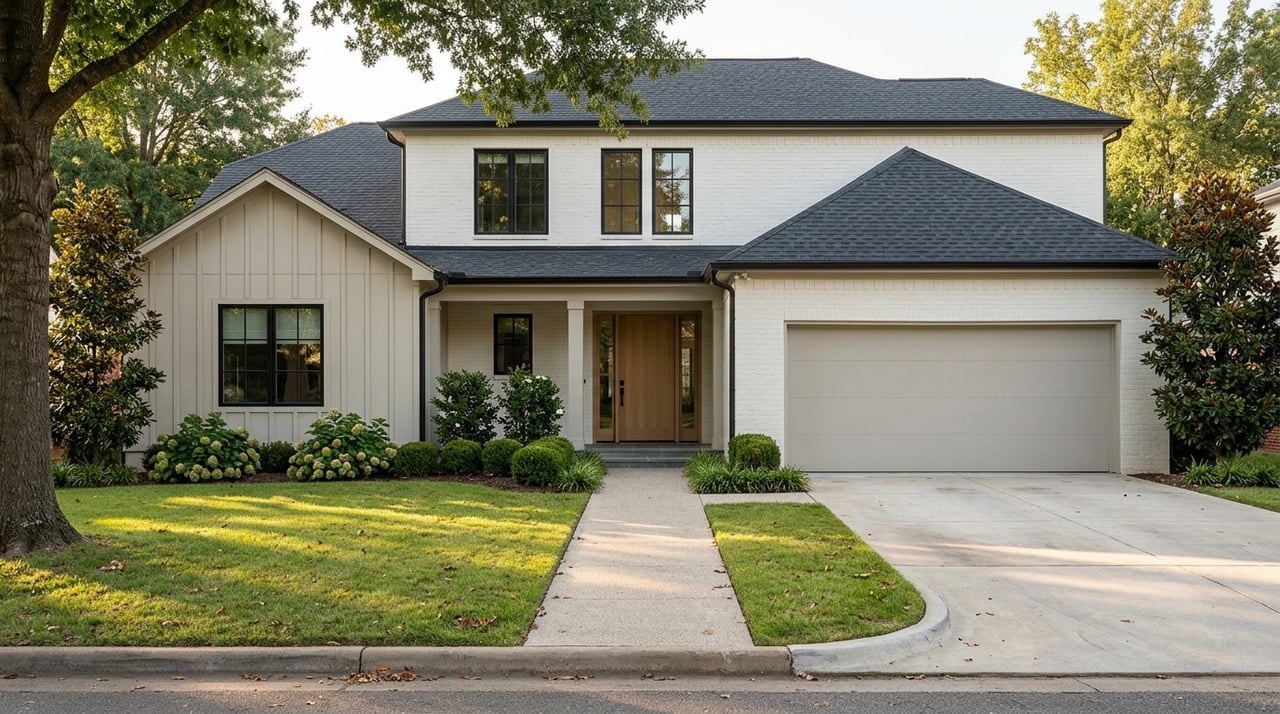
Because detached homes make up the majority of the Vinings residential area, many sellers are working with floor plans that offer more room to tell a story. The key is to make the space feel cohesive and true to the home's architecture.
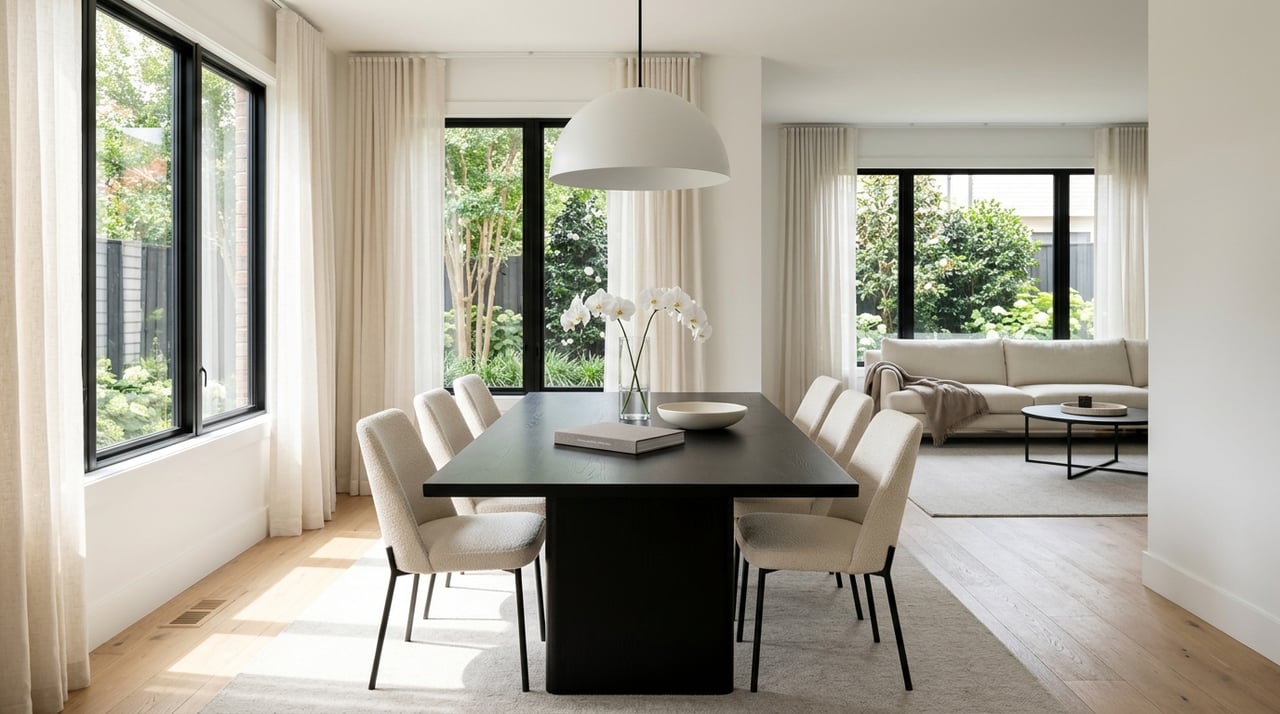
In many single-family homes, buyers respond well when the main level feels open and connected. Clear furniture placement can help define living and dining zones without making the rooms feel crowded.
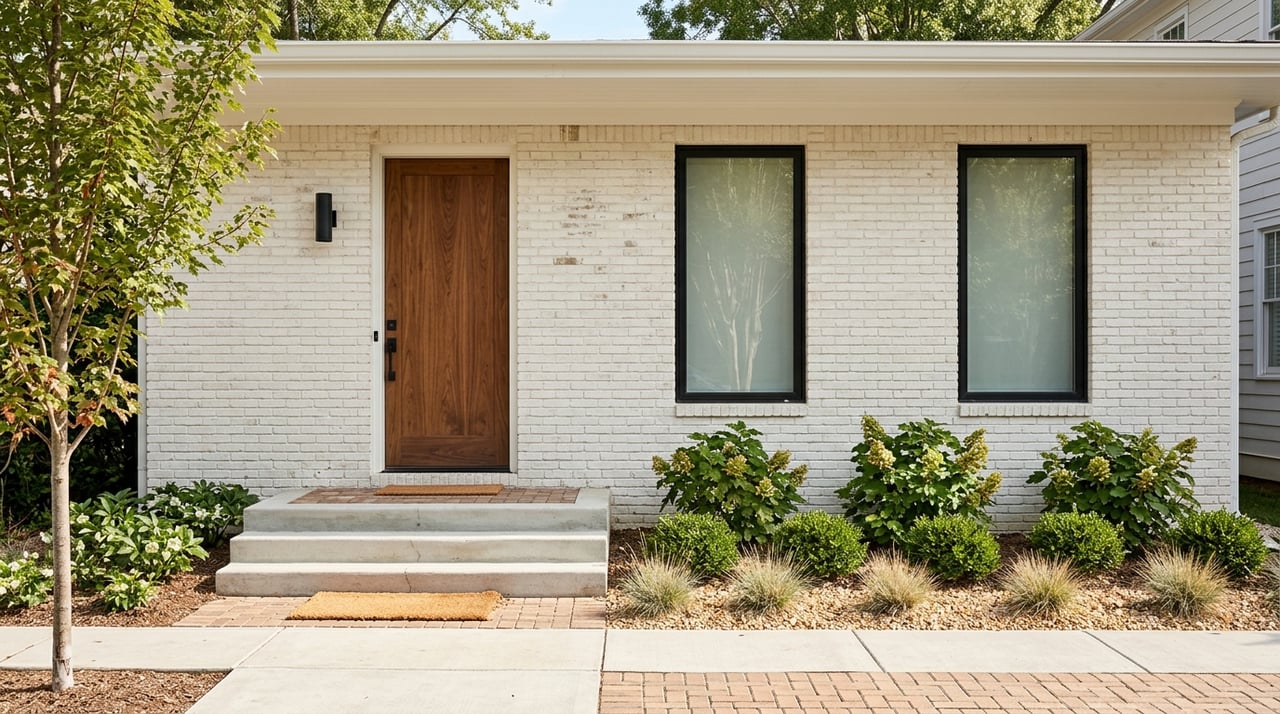
If your home has strong natural light, architectural details, or a connection to outdoor space, staging should support those features rather than compete with them. A restrained, polished look often works better than heavy decor or bold color choices.
Helpful staging priorities for detached homes include:
- Creating a clean, welcoming entry
- Showing an easy flow between living and dining spaces
- Keeping furniture scaled to the room
- Highlighting windows and natural light
- Making patios, porches, or decks feel usable
In Vinings, the home should feel like the hero. The staging should guide the eye, not steal the scene.
Staging for Vinings townhomes and condos
Townhomes and condos often need a different strategy. The Vinings Vision Plan notes that attached housing is concentrated along the Paces Mill and Paces Ferry corridors, and these homes can present different layout challenges than detached houses.
In attached homes, buyers are often judging how efficiently the space lives. They may be paying close attention to stair flow, storage, room scale, and whether the main living level feels open enough for everyday use.
That means staging should stay especially disciplined. Oversized furniture, too many accent pieces, or awkward room layouts can make the home feel tighter than it is.
For townhomes and condos, focus on:
- Smaller-scale furniture with clean lines
- Clear walking paths through main living areas
- Simple styling on kitchen counters and bath surfaces
- Defined uses for flex spaces or nooks
- Organized closets and storage areas
When done well, this kind of staging makes the footprint feel easier to understand and easier to live in.
A timeless look fits Vinings best
Vinings has a strong preservation story. The Vinings Historic Preservation Society maintains landmarks like the Pace House, Old Pavilion, and Yarbrough House, and Vinings Jubilee was designed to reflect nearby 19th-century buildings.
That context matters when you stage. In many Vinings homes, a timeless visual approach will feel more natural than a theme-driven or highly trend-based one.
A few simple design choices can help:
- Neutral color palettes
- Classic furniture silhouettes
- Minimal, clean accessories
- Crisp bedding and layered textures
- Art and decor used sparingly
This does not mean your home has to look bland. It means the presentation should feel calm, architectural, and polished in a way that suits Vinings.
Vacant homes need extra attention
If your home is empty, staging becomes even more important. Vacant rooms can look smaller in photos, and buyers may struggle to understand how each area is meant to function.
That is one reason staged vacant homes often feel easier to connect with. Even a limited staging plan can help define room size, furniture placement, and the natural use of each space.
Virtual staging can also play a role for vacant or occupied homes, as long as the in-person experience still aligns with the listing presentation. The key is consistency. Buyers should not feel surprised when they walk through the door.
You do not always need full-service staging
One of the biggest myths about staging is that it has to be all or nothing. In practice, staging can fall on a spectrum depending on your home, timeline, and budget.
NAR notes that more than half of sellers' agents did not stage every listing before going to market and instead recommended decluttering or correcting property faults. That makes sense, especially if your home already has good bones and only needs targeted improvements.
A strategic staging plan might include:
- A consultation with room-by-room recommendations
- Decluttering and depersonalizing
- Deep cleaning
- Minor repairs and touch-ups
- Rearranging existing furniture
- Adding select accessories or rental pieces
- Partial or full staging for vacant rooms
The right approach depends on what will create the clearest return for your specific listing.
What the staging process usually looks like
For most sellers, the process starts with a walkthrough and honest assessment of what will help the home show best. From there, the work often moves in a clear sequence.
A typical staging path includes cleaning, decluttering, repairs, depersonalizing, and final furniture or accessory placement before photography. If time or resources are limited, bedrooms, living rooms, and bonus spaces often deserve the most attention.
Here is a simple way to think about the process:
- Assess the home's current presentation
- Prioritize the rooms with the most buyer impact
- Remove visual clutter and personal items
- Handle repairs and cosmetic updates
- Style key spaces for photos and showings
- Launch with strong marketing assets
This kind of methodical preparation can help your listing feel intentional from day one.
Why calm, polished staging works
In a high-value market, buyers often notice small things. They are not just reacting to square footage or finishes. They are responding to how a home feels.
That is why the most effective staging in Vinings is usually calm, polished, and architecturally aware. It helps buyers imagine daily life there without overwhelming them with someone else's taste.
It also supports stronger marketing. In Cobb County's May 2026 market update, single-family homes posted 33 days on market and townhouse or condo homes posted 46 days on market, with more supply in the attached-home segment. When buyers have options, clear presentation can help your home stand apart.
If you are preparing to sell in Vinings, the goal is not to chase a trend. It is to present your home in a way that feels spacious, believable, and memorable from the first photo to the final showing.
When you are ready to create that kind of thoughtful presentation, Katherine Duquette can help you build a calm, strategic plan for selling in Vinings.
FAQs
How does home staging help a Vinings home sell?
- Staging helps buyers picture how the home lives, improves photo appeal, and can support more interest online and in person.
Which rooms should sellers stage first in a Vinings listing?
- The living room, primary bedroom, dining room, and kitchen are often the top priorities, along with the entry and any strong outdoor connection.
Is staging worth it for a Vinings condo or townhome?
- Yes. In attached homes, staging can make the layout feel more open, clarify room function, and help buyers understand storage and circulation.
What style of staging works best for homes in Vinings?
- A timeless, neutral, and polished style often fits best because it lets the architecture stand out and feels aligned with Vinings' historic character.
Do vacant homes in Vinings need staging?
- Often, yes. Empty rooms can feel smaller and less defined, while staging can help buyers understand scale and function more quickly.
Does every Vinings seller need full-service staging?
- No. Some homes benefit most from decluttering, cleaning, repairs, and light styling, while others may need partial or full staging.